|
At Tinius Olsen we design and manufacture testing equipment to meet the needs of materials engineers, Quality managers and those engaged in research and education looking to determine the mechanical and physical strength of raw materials and finished components.
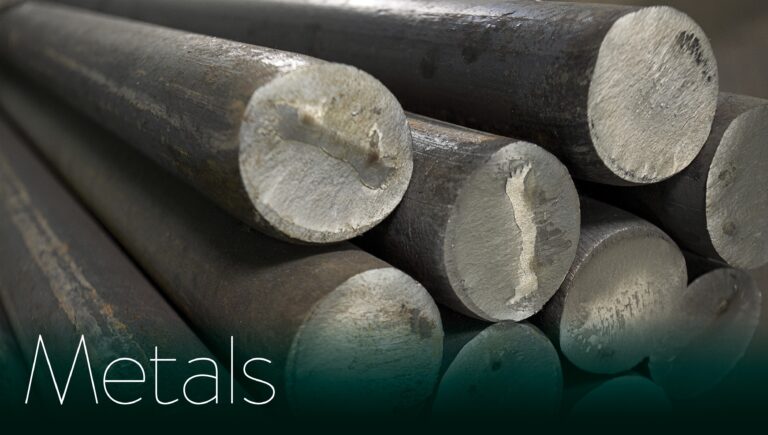
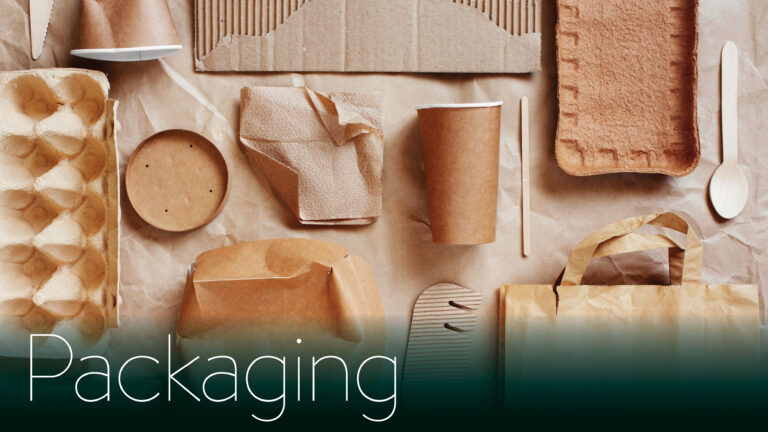
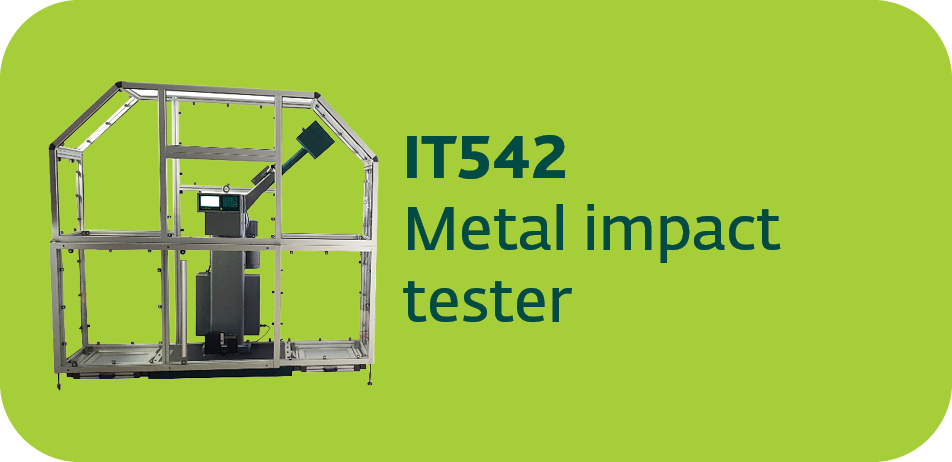
We have specialist engineers and technologists actively involved in the development of new test methods at ISO and ASTM standards organizations. We seek to work closely with our customers to provide solutions to their testing needs whether that is the tensile strength of rebar or the texture of ice cream, the puncture strength of a hypodermic needle or the melt flow rate of a polymer. We have proven performance of successfully supplying materials testing equipment to perform tests in strict accordance with relevant international standards. If you are looking for credible testing equipment to quantify the strength and performance of Metals, Plastics, Rubber, Composites, Textiles, Packaging or Paper, Adhesives, Food products, or Components, then learn more about our capabilities by visiting out main website- www.TiniusOlsen.com |
|
Thursday, 11 June 2009 15:45 |
|
We hosted the Twelfth Annual Super Light Weight Composite Bridge & Wing Building Contest at the SAMPE 2009, in Baltimore, MD last month. The competition runs annually at SAMPE and we co-sponsored the competition.
The results were very impressive with over 80 entrants to the competition. Students built bridges and wings to design specification by SAMPE (click here for more information) – one of the best bridges was number 41 – University Delaware. The bridge which won the competition was designed by students of the University of Washington – Video number 71 – it had the highest ultimate load to weight ratio. Video footage of the testing results which were performed at the show can be found on our website by clicking here. Interested in taking part next year? This is a competition which runs annually at the SAMPE show – SAMPE 2010 will be in Seattle, for more information visit the SAMPE website. |
|
|
Wednesday, 01 April 2009 09:17 |
|
The Tay Bridge in Scotland, was designed by Thomas Bouch, a civil engineer. The first Tay Bridge took a total of six years to build, materials used included;
- Ten million bricks,
- Two million rivets,
- Eighty-seven thousand cubic feet of timber,
- Fifteen thousand casks of cement.
Six hundred men were employed throughout the construction of the bridge, twenty of whom lost their lives. |
|
Read more...
|
|
Friday, 27 March 2009 11:52 |
 |
|
|
Friday, 27 March 2009 11:07 |
|
Timber is one of the few truly renewable building materials, and thanks partly to the rise in off-site prefabrication its use is becoming ever more common. Wood is a very complex anisotropic natural composite and, despite the long history of timber construction, the factors that govern its mechanical properties are still not well understood.
At Edinburgh Napier University, researchers at the Centre for Timber Engineering are using a 1kNm Tinius Olsen torsion tester to examine the shear strength and stiffness of Sitka spruce- the UK’s main commercial species. The results show that, surprisingly, there is no correlation between shear stiffness and bending stiffness and that the weakest part of the timber is not always the part with least knots. Inclinometers are used to measure twist over different sections of the specimens, which are up to 3.6 m long and can twist more than 90 degrees before breaking. More information and papers on Timber testing are available in the Resouce area of this site - you will need to log-in to view these papers. |
|
Wednesday, 18 February 2009 12:06 |
|
The stabilometer was originally developed by the California Division of Highways to measure the combined effects of frequent traffic loads, repeated over a long period of time, on a given bituminous mix.
Test results are used to determine the maximum amount of bituminous binder which can be used without causing instability. |
|
Read more...
|
|
|
|
|
|
|
Page 1 of 3 |